

Table of Contents
A is for apple, B is for ball… Learning the alphabet is about much more than reciting a rhyme. For each letter, a child needs to connect three things: its name, the sound it makes in words, and its different forms—uppercase, lowercase print, and cursive. This is one of the big milestones of preschool (ages 3–6), and you can support it at home with short, playful games—no worksheets or pressure required. Here is where to start, twelve games that really work, and an interactive letter hunt to play together.
One letter, three facets
For an adult, the letter M is self-evident. For a 4-year-old, it is a small drawing that carries a strange name, "em," and makes a different sound, "mmm," inside words. On top of that, its shape changes depending on whether it is written in uppercase, lowercase print, or cursive. Keeping these three facets in mind helps us understand why learning it takes time.
French preschool curriculum organizes this learning over three years (ages 3–6): before age 4, recognizing and naming certain letters in their first name; starting at age 4, naming the letters of their first name and a few others; starting at age 5, knowing the names of all letters of the alphabet and connecting them across their three written forms.
Where to start?
Start with letters that matter to your child: those in their first name, then those in family members' names. Uppercase print letters are the easiest to recognize and trace. There is no need to follow A to Z order: alphabetical order will be learned with the song, but the letters themselves are learned best when they carry meaning. For writing names, our article on learning to write your first name details every step.
Twelve games to learn letters
The letter hunt
Pick a letter and look for it everywhere: on cereal boxes, posters, street signs. The interactive game lower down offers an on-screen version.
The mystery bag
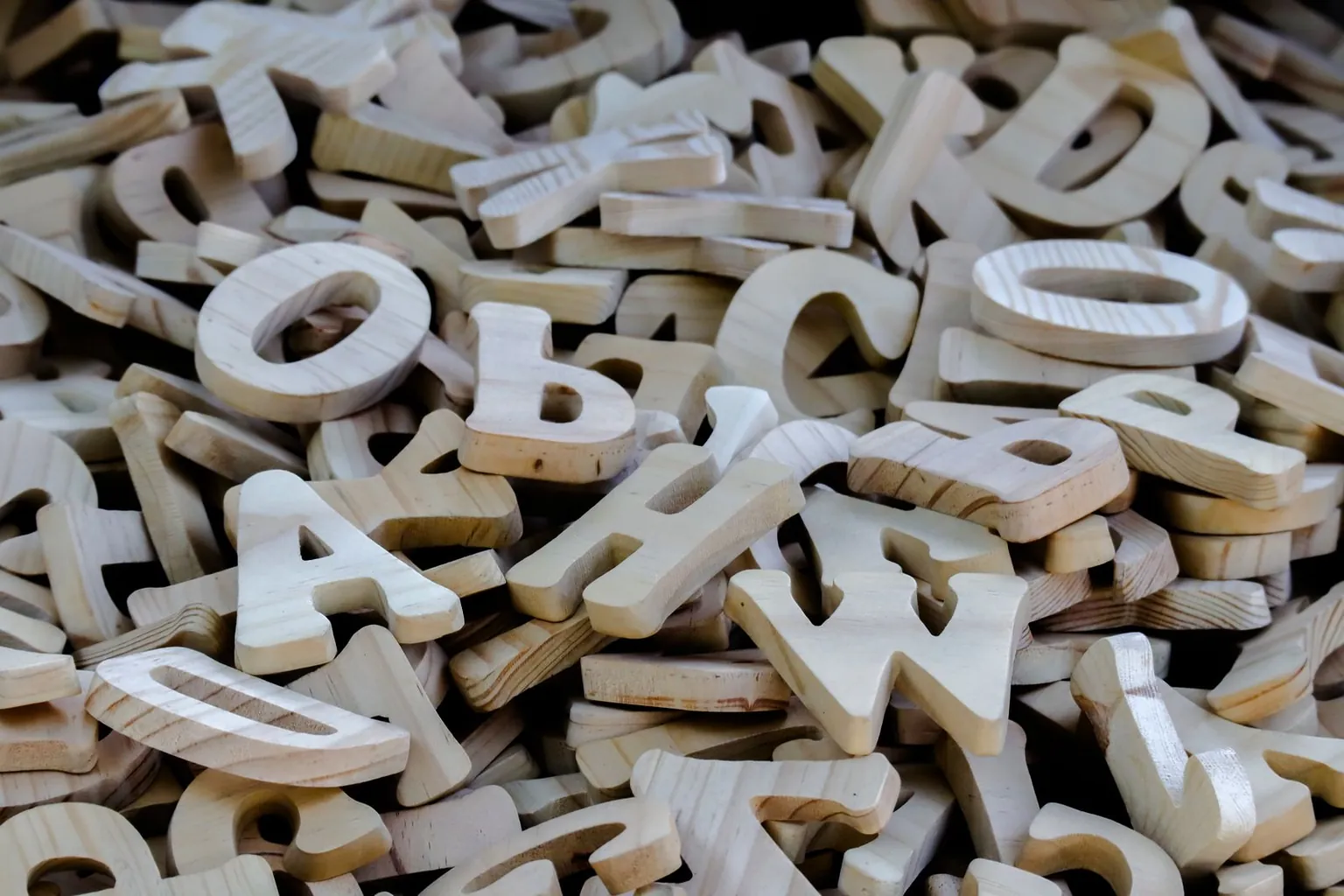
Slip wooden or foam letters into a bag. Your child pulls one out without looking, recognizes it by touch, and then checks visually.
Playdough letters
Roll snakes of dough to form an I, an L, or an O: the hand memorizes the shape of the letter.
Body alphabet
Use arms and legs to form a T, a Y, or an X. Working in pairs, you can even make an M or an H.
Fishing for letters
Magnetic letters in a tub, a toy fishing rod with a magnet: fish them out, name them, and keep the ones you know.
Letter bingo
Letters on playing cards; you draw a letter at random and name it, and your child looks for it on their card.
Letter of the day
Each morning, feature one letter: trace it, look for words that start with it, and spot it inside a book.
Back tracing
Trace a letter with your fingertip on your child's back: they guess it, then it's their turn.
Letter-matching memory game
Pairs matching an uppercase letter with its lowercase print form (A and a, B and b): an excellent game for connecting shapes.
Picture alphabet book
For each letter, a drawing or picture of an object starting with that letter: your child builds their very own alphabet book.
Nature letters
On a walk, build letters using sticks, pebbles, or leaves. Take photos of them to keep a record.
The alphabet song
The song helps children remember letter order. Sing it while pointing to each letter on an alphabet chart to link the name to its shape.

Uppercase, lowercase print, cursive: three letter forms
The same letter can be written in three ways: in uppercase print (A), in lowercase print found in books (a), and in cursive, the connected writing taught at school. Children discover uppercase first, then gradually learn to connect all three. Certain letters look very similar in print, such as b and d, or p and q. The school curriculum highlights that cursive writing helps distinguish them, because their strokes are very different. Confusing them at the beginning is completely normal.
Name and sound: keeping them distinct
When learning to read, the letter’s sound matters: to read “map,” blend the sounds /m/, /a/ and /p/, rather than the letter names “em,” “ay” and “pee.” In a game you can give both: “This is M; it makes /m/, as in mom.” Our ideas for playing with syllables and rhymes offer more listening practice.
Keeping the fun alive
The alphabet is not a race. Some children know all their letters at age 4, others at age 6, and that is perfectly fine. Keep games brief, stop as soon as interest wanes, and focus on the letters that intrigue them. Above all, keep reading stories out loud: the desire to read is what gives letters their full meaning. Our tips to nurture a love of reading will support you along this journey.
Frequently asked questions
At what age should a child know the alphabet?
According to the preschool curriculum (ages 3–6), children gradually learn letter names starting with those in their own name, reaching full knowledge of all letter names toward the end of kindergarten (around ages 5–6).
Should letters be learned in alphabetical order?
No. It is better to start with letters that carry personal meaning, like those in their first name. Alphabetical order is learned separately with the song.
Should children learn letter names or letter sounds?
Both are useful. The name helps when talking about letters and spelling, while the sound helps with reading. When playing, you can teach both: "the letter S makes a 'sss' sound."
My child confuses b and d; is that normal?
Yes, this is very common up to age 6 or 7. Cursive writing, motor practice, and concrete visual cues help distinguish them. If confusion continues significantly after 1st grade, discuss it with their teacher.
To go further
Preview before choosing
Les Petits Explorateurs · Ages 4–6
For preschool and early elementary children discovering shapes, numbers, and the fun of drawing lines. An adult reads the instructions.